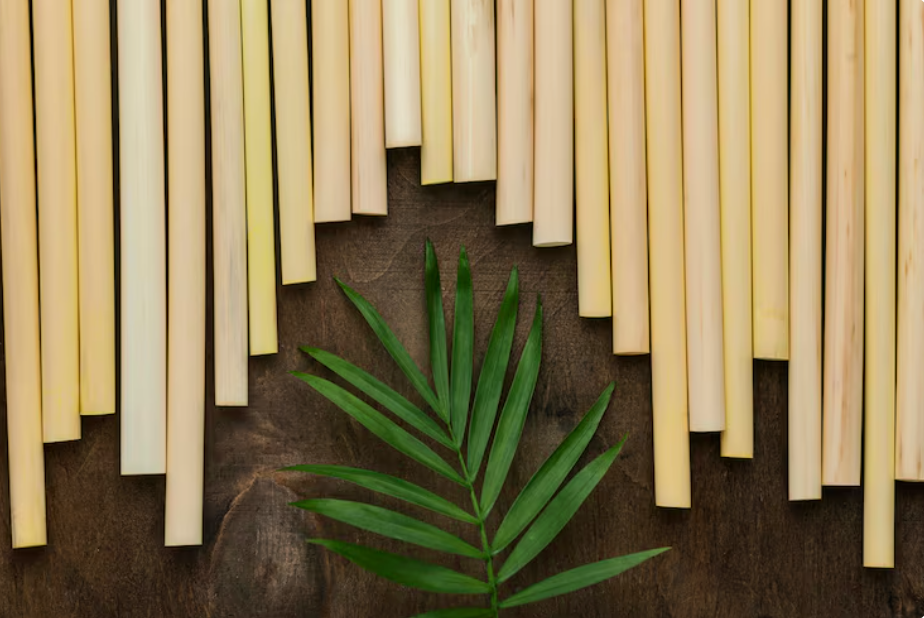
Because of its warmth, texture, and architectural appeal, wood wall paneling is frequently employed in commercial, office, and residential settings. However, the climate in which it is installed has a significant impact on its performance. Wood paneling's behavior over time is influenced by temperature variations, humidity levels, and moisture exposure. To guarantee longevity and long-term performance, homeowners and designers can select the best materials, treatments, and installation techniques by being aware of these characteristics.
Effectiveness in Arid and Dry Climates
Wood wall paneling typically works well in arid locations because of the low humidity levels. Mold development, warping, and swelling are less likely when there is less moisture in the air. However, over time, wood may shrink significantly due to severely dry conditions, which could result in tiny spaces between panels. Dimensional stability is maintained through the use of engineered wood panels and proper acclimation prior to installation. To maintain moisture balance and protect the panel's surface integrity, finishes like oils or sealants are frequently used.
Behavior in Humid and Tropical Regions
For wood paneling, high humidity presents special difficulties. Wood fibers may expand as a result of excessive air moisture, raising the possibility of surface imperfections or warping. Because treated wood or engineered wood paneling resists moisture absorption better than untreated solid wood, it is frequently chosen in tropical areas. Performance is further improved by adequate ventilation and expert installation methods, which guarantee that panels stay safe and aesthetically uniform despite varying humidity levels.
Cold Climate Performance
Wood wall paneling has both practical and decorative benefits in colder climates. By adding a layer of insulation, it improves the comfort and warmth of interior spaces. Expansion and contraction may result from seasonal temperature changes, but this movement is controllable provided panels are set correctly and spaced appropriately. Panel alignment is maintained and the chance of cracking during extremely cold weather is decreased by using stable wood types and high-quality finishes.
Wood Paneling in Coastal Environments
Because of the salt air and increased exposure to moisture, coastal places present unique challenges. Over time, coatings may be impacted by salt particles, and humidity raises the possibility of corrosion for fittings and fasteners. Engineered wood paneling with protective coatings is frequently utilized in these settings. Maintaining appearance and function through routine maintenance and inspection helps keep panels resilient to environmental stress.
Climate-Responsive Material Choices
Longevity and performance are enhanced by choosing the appropriate wood paneling type based on climate. Typical factors to take into account are:
- For stability in humid or unpredictable settings, engineered wood panels
- Solid wood panels for regulated interior spaces
- Moisture-resistant coatings to guard against temperature fluctuations and humidity
- Installation gaps that allow for natural expansion and contraction
These elements guarantee that wall paneling will always be strong and aesthetically pleasing, no matter where it is placed.
Maintenance Across Different Conditions
Depending on the climate, different maintenance needs apply. Periodic conditioning stops excessive dryness in arid areas. Regular cleaning and ventilation help prevent moisture buildup in humid locations. Periodically checking for cracks or separation may be necessary in cold climates. Wood paneling's lifespan can be increased while maintaining its inherent beauty with regular maintenance.
Long-Term Durability and Adaptability
When installed and maintained properly, contemporary wood wall paneling systems are made to function effectively in a variety of climates. Wood paneling may adapt to environmental difficulties without sacrificing design because of advancements in engineering, coatings, and installation techniques. It is a dependable option for homes, businesses, and commercial interiors all around the world because of its versatility.
Conclusion
Although the performance of wood wall paneling varies depending on the temperature, it may still be a long-lasting and stylish interior solution if the right materials are chosen, installed, and maintained. Long-lasting outcomes are ensured by knowing how wood reacts to climate conditions, from dry and cold locations to humid and coastal situations. When used carefully, wood wall paneling still provides durability, coziness, and classic appeal in a variety of geographical contexts.